Semana de relatórios e trabalhos de pesquisa, devidamente negligenciados em favor de desordem de identidade dissociativa (as famosas "múltiplas personalidades") e suas possíveis relações com casos de possessão demoníaca ao longo da história. Tudo culpa de Hermínio Miranda, que tinha de escolher temas tão interessantes para seus artigos sobre fenômenos psíquicos. Assim não há mestrado que agüente!
E pensar que a primeira vez em que ouvi falar do tenebroso caso das freiras de Loudun foi em um exemplar daqueles gibis da velha Bloch Editores, "História Reais de Drácula"...
quarta-feira, fevereiro 01, 2006


Um belo exemplo
Não há dúvida de que a pobreza é uma grande aliada da ignorância, mas algumas pessoas conseguem superar a aliança tenebrosa dessas duas condições. Este é mais um exemplo, e talvez seja também um lembrete de que, dadas certas condições mínimas, ser pobre não é uma desculpa para acomodar-se na falta de cultura.
-------
Folha de S. Paulo, 01/02/2006
LITERATURA SUBTERRÂNEA
Edifício do centro abriga no subsolo cerca de 3.000 livros,
que incluem obras de Kafka e Balzac
Sem-teto faz biblioteca em prédio invadido
AFRA BALAZINA
DA REPORTAGEM LOCAL
Antes ocupado por entulho, esgoto e água de enchente, o subsolo do edifício Prestes Maia, 911, uma das principais favelas verticais da cidade de São Paulo, agora abriga uma biblioteca com cerca de 3.500 obras, entre livros, revistas, gibis e enciclopédias.
A "reforma" foi feita por um grupo de sem-teto que invadiu o local em 2002 e mora ali em condições precárias -com ligações clandestinas de água e luz, divisórias de madeiras e um banheiro para cada 15 famílias, em média.
A biblioteca dos sem-teto, que funciona desde dezembro, tem mais publicações do que as salas de leitura de colégios municipais, que são entregues com acervo inicial de 2.000 livros.Entre os seus títulos, há obras de Machado de Assis, Mark Twain, Kafka, Balzac, Milan Kundera, Jorge Amado e Paulo Coelho e a coleção de Harry Potter.
O acervo do Prestes Maia foi formado com doações de uma ONG e de uma escola, mas também com publicações recolhidas no lixo. As prateleiras e os tapetes que decoram a biblioteca foram obtidos por doação.
O colégio Móbile foi um dos que deu obras aos sem-teto. A coordenadora de 1ª a 4ª série da escola, Eliana Tayano, diz que a doação de 600 livros é a primeira etapa de um projeto comunitário. "Nossa idéia é ir ao prédio para contar histórias", afirma.
O controle do empréstimo de livros na biblioteca é feito pelo catador Severino Manoel de Souza, 56, que tem um caderno para anotar as entradas e saídas.
Foi dele a idéia de fazer uma biblioteca no prédio. "Encontrava livros e não tinha coragem de mandar para a reciclagem", diz. Ele nunca freqüentou a escola e aprendeu a ler com "uma cartilha de ABC e a ajuda de um tio".
O devorador de livros do Prestes Maia é o ambulante Lamartine Brasiliano, 38, que lamenta que o lugar não tenha ainda obras do escritor Gabriel García Márquez (leia nesta página).Para incentivar a leitura, no subsolo está pichada uma frase do jornalista Paulo Francis: "Quem não lê não pensa, e quem não pensa será para sempre um servo". Há desenhos de Bob Marley e Che Guevara nas paredes.
Reintegração de posse
A biblioteca atende às 468 famílias que moram no prédio, ligadas ao MSTC (Movimento dos Sem Teto do Centro). Mas os habitantes podem não ter tempo de usufruir do acervo: a PM se prepara para fazer a reintegração de posse, autorizada pela Justiça, no local. O despejo deve ocorrer a partir do dia 15 de fevereiro.
As famílias se dividem nos 20 andares de dois blocos em locais parecidos com barracos, separados por pedaços de madeira e com poucos móveis. Os corredores são coloridos por roupas penduradas, e os vidros das janelas, quebrados, foram substituídos por papelão. A maioria dos habitantes trabalha como ambulante ou faz bicos.
Porém, diferentemente da maioria da população de baixa renda da cidade, que não tem acesso à cultura, as famílias do Prestes Maia vão freqüentemente à Pinacoteca do Estado. Em 2005, os sem-teto integraram o Programa de Inclusão Sociocultural do museu, onde estiveram sete vezes.
-------
Folha de S. Paulo, 01/02/2006
LITERATURA SUBTERRÂNEA
Edifício do centro abriga no subsolo cerca de 3.000 livros,
que incluem obras de Kafka e Balzac
Sem-teto faz biblioteca em prédio invadido
AFRA BALAZINA
DA REPORTAGEM LOCAL
Antes ocupado por entulho, esgoto e água de enchente, o subsolo do edifício Prestes Maia, 911, uma das principais favelas verticais da cidade de São Paulo, agora abriga uma biblioteca com cerca de 3.500 obras, entre livros, revistas, gibis e enciclopédias.
A "reforma" foi feita por um grupo de sem-teto que invadiu o local em 2002 e mora ali em condições precárias -com ligações clandestinas de água e luz, divisórias de madeiras e um banheiro para cada 15 famílias, em média.
A biblioteca dos sem-teto, que funciona desde dezembro, tem mais publicações do que as salas de leitura de colégios municipais, que são entregues com acervo inicial de 2.000 livros.Entre os seus títulos, há obras de Machado de Assis, Mark Twain, Kafka, Balzac, Milan Kundera, Jorge Amado e Paulo Coelho e a coleção de Harry Potter.
O acervo do Prestes Maia foi formado com doações de uma ONG e de uma escola, mas também com publicações recolhidas no lixo. As prateleiras e os tapetes que decoram a biblioteca foram obtidos por doação.
O colégio Móbile foi um dos que deu obras aos sem-teto. A coordenadora de 1ª a 4ª série da escola, Eliana Tayano, diz que a doação de 600 livros é a primeira etapa de um projeto comunitário. "Nossa idéia é ir ao prédio para contar histórias", afirma.
O controle do empréstimo de livros na biblioteca é feito pelo catador Severino Manoel de Souza, 56, que tem um caderno para anotar as entradas e saídas.
Foi dele a idéia de fazer uma biblioteca no prédio. "Encontrava livros e não tinha coragem de mandar para a reciclagem", diz. Ele nunca freqüentou a escola e aprendeu a ler com "uma cartilha de ABC e a ajuda de um tio".
O devorador de livros do Prestes Maia é o ambulante Lamartine Brasiliano, 38, que lamenta que o lugar não tenha ainda obras do escritor Gabriel García Márquez (leia nesta página).Para incentivar a leitura, no subsolo está pichada uma frase do jornalista Paulo Francis: "Quem não lê não pensa, e quem não pensa será para sempre um servo". Há desenhos de Bob Marley e Che Guevara nas paredes.
Reintegração de posse
A biblioteca atende às 468 famílias que moram no prédio, ligadas ao MSTC (Movimento dos Sem Teto do Centro). Mas os habitantes podem não ter tempo de usufruir do acervo: a PM se prepara para fazer a reintegração de posse, autorizada pela Justiça, no local. O despejo deve ocorrer a partir do dia 15 de fevereiro.
As famílias se dividem nos 20 andares de dois blocos em locais parecidos com barracos, separados por pedaços de madeira e com poucos móveis. Os corredores são coloridos por roupas penduradas, e os vidros das janelas, quebrados, foram substituídos por papelão. A maioria dos habitantes trabalha como ambulante ou faz bicos.
Porém, diferentemente da maioria da população de baixa renda da cidade, que não tem acesso à cultura, as famílias do Prestes Maia vão freqüentemente à Pinacoteca do Estado. Em 2005, os sem-teto integraram o Programa de Inclusão Sociocultural do museu, onde estiveram sete vezes.
domingo, janeiro 29, 2006
$cientia
Muito se fala de cientistas e suas descobertas, mas o quanto rende trabalhar com a Ciência? Para quem ainda não tinnha pensado nisso ou simplesmente tem curiosidade, uma organização fez um levantamento das médias salariais de várias categorias profissionais ligadas à atividade científica nos EUA. As tabelas estão aqui: http://www.jupiterscientific.org/sciinfo/sciencesalaries.html.
Parece que os físicos estão em alta. Tão em alta que já até escreveram sua versão para a Bíblia, com trechos disponíveis no mesmo site, do qual transcrevo a primeira parte do que seria a Gênese. Convenhamos que é uma forma criativa de divulgar as proezas dessa nova casta de iniciados.
Parece que os físicos estão em alta. Tão em alta que já até escreveram sua versão para a Bíblia, com trechos disponíveis no mesmo site, do qual transcrevo a primeira parte do que seria a Gênese. Convenhamos que é uma forma criativa de divulgar as proezas dessa nova casta de iniciados.
The first book of Creation, called
Genesis I: The Planck Epoch
In the beginning,
the World was without form and void;
and darkness was upon the face of the deep.
– The Holy Bible
In the "Beginning," there was no beginning. Before the Planck time, there was no time and there was no space. The Universe was in a quantum state with wild fluctuations. (The hummingbird’s wings flap fast and are invisible.) What one might have called spacetime was incomprehensible. The quantum Universe was a trillion-trillion worlds. Potential worlds were bubbling forth and were evaporating like unto the waters in a boiling pot. And tunnelling and fluctuations moved thy proto-World among these worlds. And quantum gravity wreaked havoc. The waves of gravity were everywhere. The Universe was like a thousand knots.
Near the "Beginning," there was almost nothing. The Universe was unimaginably hot and small. And somehow from this senseless void would emerge thy World. And somehow from this emptiness there would emerge a time and space. Thy Universe would soon conceive itself. And from the almost nothingness would soon come all.
quinta-feira, janeiro 26, 2006
Periódicos liberados
Acesso livre pela internet
26/01/2006
Agência FAPESP - O Ministério da Educação (MEC) decidiu liberar o acesso ao Portal de Periódicos da Capes (Coordenação de Aperfeiçoamento de Pessoal de Nível Superior) a qualquer usuário de internet. A medida já está em vigor. O anúncio foi feito pelo ministro da Educação Fernando Haddad, na segunda-feira (23/1).
Até então, a consulta às 9,5 mil publicações disponíveis no serviço eletrônico estava restrita aos estudantes, professores e funcionários de 163 instituições de ensino superior no país. No Portal de Periódicos, o visitante encontra resumos ou textos na íntegra (apenas na área de história) de dissertações e teses, informações sobre patentes e artigos completos de 1.040 publicações científicas, inclusive todas as disponíveis na biblioteca eletrônica SciELO (Bireme/FAPESP).
Os dados divulgados pela Capes mostram um grande salto no número de acessos ao portal nos últimos cinco anos. Em 2000, eram 9 mil acessos diários para 1,8 mil publicações disponíveis. No ano passado, foi registrada a média de 80 mil visitas por dia. O número de documentos catalogados subiu para 9,5 mil.
Segundo Haddad, a comunidade científica respeita o Portal de Periódicos, que entende ser um instrumento importante para a produção científica. O ministro lembrou que uma das áreas que mais cresceram em termos de informação é a das engenharias, na qual o número de periódicos disponíveis aumentou 232%.
O endereço do Portal de Periódicos é http://acessolivre.capes.gov.br.
26/01/2006
Agência FAPESP - O Ministério da Educação (MEC) decidiu liberar o acesso ao Portal de Periódicos da Capes (Coordenação de Aperfeiçoamento de Pessoal de Nível Superior) a qualquer usuário de internet. A medida já está em vigor. O anúncio foi feito pelo ministro da Educação Fernando Haddad, na segunda-feira (23/1).
Até então, a consulta às 9,5 mil publicações disponíveis no serviço eletrônico estava restrita aos estudantes, professores e funcionários de 163 instituições de ensino superior no país. No Portal de Periódicos, o visitante encontra resumos ou textos na íntegra (apenas na área de história) de dissertações e teses, informações sobre patentes e artigos completos de 1.040 publicações científicas, inclusive todas as disponíveis na biblioteca eletrônica SciELO (Bireme/FAPESP).
Os dados divulgados pela Capes mostram um grande salto no número de acessos ao portal nos últimos cinco anos. Em 2000, eram 9 mil acessos diários para 1,8 mil publicações disponíveis. No ano passado, foi registrada a média de 80 mil visitas por dia. O número de documentos catalogados subiu para 9,5 mil.
Segundo Haddad, a comunidade científica respeita o Portal de Periódicos, que entende ser um instrumento importante para a produção científica. O ministro lembrou que uma das áreas que mais cresceram em termos de informação é a das engenharias, na qual o número de periódicos disponíveis aumentou 232%.
O endereço do Portal de Periódicos é http://acessolivre.capes.gov.br.
quarta-feira, janeiro 25, 2006
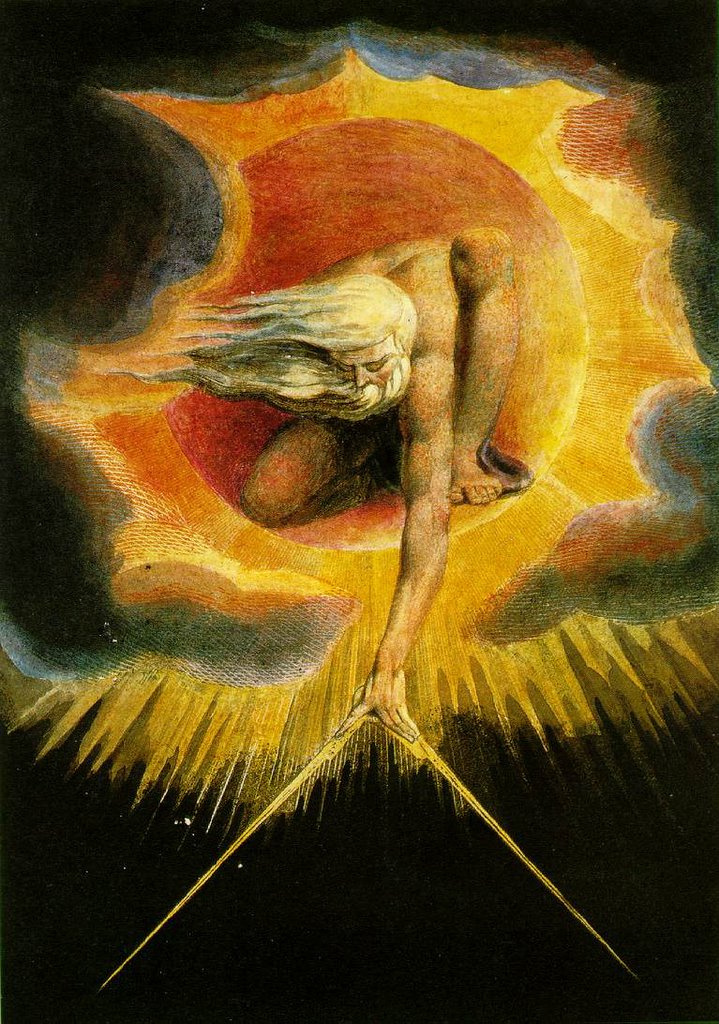
Para descontrair...
...nada como uma dose de um bom besteirol. E nisto os "Jovens Nerds" são grandes especialistas: http://www.jovemnerd.com.br/.
(Não recomendo a visita em ambiente de trabalho ou em aulas. Ter de segurar uma gargalhada deve até fazer mal à saúde.)
(Não recomendo a visita em ambiente de trabalho ou em aulas. Ter de segurar uma gargalhada deve até fazer mal à saúde.)
domingo, janeiro 22, 2006

quinta-feira, janeiro 19, 2006
Histórias da vida real
Lição de vida: nunca deixe testemunhas, não importa a espécie.
Zero Hora - 18/01/2006
O papagaio que delatou a namorada infiel
Programador de computadores desconfiou quando o bicho começou a repetir o nome de outro homem
Londres
Chris Taylor achou engraçado quando seu papagaio, Ziggy, disse "Oi, Gary" pela primeira vez. Mas não desconfiou.
Também não desconfiou quando Ziggy continuou dizendo "Oi, Gary" a cada vez que sua namorada, Suzy Collins, atendia o celular. Seu animal de estimação era um ótimo imitador e decerto aprendera a frase em algum programa de TV.
Suzy, 25 anos, trabalha no call center de uma grande empresa na Grã-Bretanha e já havia se mudado para a casa de Chris, um programador de computadores cinco anos mais velho. O casal de britânicos estava junto havia um ano. Já o papagaio estava com o dono desde que nascera, oito anos atrás. Ambos os relacionamentos pareciam estáveis.
Ziggy continuou repetindo "Oi, Gary", e Chris continuou achando que a ave ouvira aquilo na TV. Até que um dia alguém na TV disse "Gary", e o papagaio, em vez de repetir, fez um barulho de beijo.
Mistério foi desfeito em noite de amor no sofá
Chris desconfiou, enfim. Perguntou a Suzy se conhecia algum Gary. Ela negou, garantiu que não sabia de nada. Mas Chris continuou cismado. Foi no que era para ser uma noite tórrida de amor que o mistério se desfez. O casal se acariciava no sofá quando Ziggy não se conteve:
- Eu te amo, Gary.
Chris estancou. O pior não era a frase, mas a maneira como ela foi dita: Ziggy imitara a voz de Suzy, era possível imaginá-la dizendo aquilo. Pressionada, a namorada entregou tudo, aos prantos. Gary era ex-colega de trabalho e atual amante. Ia visitá-la na própria casa de Chris, quando ele não estava. Depois da confissão, Suzy partiu, na mesma noite.
Hoje, Chris é um homem arrasado. Não pela mulher que perdeu, mas pelo papagaio, que teve de vender.
- Era uma tortura ouvi-lo repetindo aquele nome. Eu o amava muito. Não me importei de terminar com Suzy, mas ver Ziggy ir embora partiu meu coração - contou.
Suzy, que agora mora com amigos, guarda boas lembranças de Chris. Afirma não ter orgulho do que fez, mas garante que o relacionamento já não ia bem havia algum tempo. Mas é só falar no papagaio que ela se eriça:
- Fiquei surpresa ao saber que ele se livrou daquele bicho. Chris passava mais tempo com ele do que comigo. Nunca suportei Ziggy, e agora ficou claro que o sentimento era mútuo.
Zero Hora - 18/01/2006
O papagaio que delatou a namorada infiel
Programador de computadores desconfiou quando o bicho começou a repetir o nome de outro homem
Londres
Chris Taylor achou engraçado quando seu papagaio, Ziggy, disse "Oi, Gary" pela primeira vez. Mas não desconfiou.
Também não desconfiou quando Ziggy continuou dizendo "Oi, Gary" a cada vez que sua namorada, Suzy Collins, atendia o celular. Seu animal de estimação era um ótimo imitador e decerto aprendera a frase em algum programa de TV.
Suzy, 25 anos, trabalha no call center de uma grande empresa na Grã-Bretanha e já havia se mudado para a casa de Chris, um programador de computadores cinco anos mais velho. O casal de britânicos estava junto havia um ano. Já o papagaio estava com o dono desde que nascera, oito anos atrás. Ambos os relacionamentos pareciam estáveis.
Ziggy continuou repetindo "Oi, Gary", e Chris continuou achando que a ave ouvira aquilo na TV. Até que um dia alguém na TV disse "Gary", e o papagaio, em vez de repetir, fez um barulho de beijo.
Mistério foi desfeito em noite de amor no sofá
Chris desconfiou, enfim. Perguntou a Suzy se conhecia algum Gary. Ela negou, garantiu que não sabia de nada. Mas Chris continuou cismado. Foi no que era para ser uma noite tórrida de amor que o mistério se desfez. O casal se acariciava no sofá quando Ziggy não se conteve:
- Eu te amo, Gary.
Chris estancou. O pior não era a frase, mas a maneira como ela foi dita: Ziggy imitara a voz de Suzy, era possível imaginá-la dizendo aquilo. Pressionada, a namorada entregou tudo, aos prantos. Gary era ex-colega de trabalho e atual amante. Ia visitá-la na própria casa de Chris, quando ele não estava. Depois da confissão, Suzy partiu, na mesma noite.
Hoje, Chris é um homem arrasado. Não pela mulher que perdeu, mas pelo papagaio, que teve de vender.
- Era uma tortura ouvi-lo repetindo aquele nome. Eu o amava muito. Não me importei de terminar com Suzy, mas ver Ziggy ir embora partiu meu coração - contou.
Suzy, que agora mora com amigos, guarda boas lembranças de Chris. Afirma não ter orgulho do que fez, mas garante que o relacionamento já não ia bem havia algum tempo. Mas é só falar no papagaio que ela se eriça:
- Fiquei surpresa ao saber que ele se livrou daquele bicho. Chris passava mais tempo com ele do que comigo. Nunca suportei Ziggy, e agora ficou claro que o sentimento era mútuo.
quinta-feira, janeiro 12, 2006
Google lança site acadêmico no país
Versão brasileira do Google Scholar vai ajudar pesquisadores (e também estudantes que copiam trabalhos alheios)
Renata Cafardo escreve para "O Estado de SP":
O Google lançou ontem no Brasil o Google Acadêmico, a versão em português do Scholar, uma ferramenta de busca direcionada à educação.
O buscador permite a localização de artigos científicos, trabalhos acadêmicos e outras publicações de instituições e entidades brasileiras como USP, Capes e PUC-Rio.
Não há trabalhos em outras línguas traduzidos para o português.
O endereço do Google Acadêmico é o scholar.google.com.br.
A versão para busca de trabalhos em inglês é acessada pelo scholar.google.com.
"Esperamos que pessoas do Brasil usem, mas também que seja utilizado por europeus e americanos que queiram ter acesso a pesquisas brasileiras", disse a "O Estado de SP" o criador do Google Scholar, o indiano Anurag Acharya.
A ferramenta existe desde 2004 em inglês e já foi criada também em chinês, sueco, norueguês, finlandês e dinamarquês.
"Acredito que vai ser útil no Brasil. Os brasileiros já usam muito o Google", disse Acharya, ao ser questionado da razão de lançá-la no país.
O Google Acadêmico funciona filtrando informações que um sistema de busca comum, como o próprio Google, não faria. Blogs, notícias de jornais e outras fontes não acadêmicas ficam de fora do resultado.
Segundo Acharya, o buscador é mais utilizado por estudantes de Universidades, pós-graduandos e professores. "Mas ele também é útil para pessoas comuns que queiram saber mais profundamente sobre câncer, por exemplo", completa.
Copiar e colar
A divulgação de informações sem limites proporcionada por sites como o Google fez surgir no país um grande problema para as escolas e universidades.
Há algum tempo, tornou-se comum a prática de fraudar trabalhos, copiando e colando textos de sites.
Caio (nome fictício), de 25 anos, conta que usou textos da internet para fazer pelo menos metade de seus trabalho no curso de Publicidade de uma grande faculdade particular.
"Pegava informações em vários lugares, mudava algumas palavras e imprimia", diz. Nunca foi descoberto pelos professores. Certa vez, copiou da internet um resumo inteiro de O Príncipe, de Maquiavel, e tirou nota 10.
"A internet é um facilitador para a escola, o que precisamos é ensinar como lidar com ela", diz a diretora pedagógica da Escola Cidade Jardim/Play Pen, Celia Tilkian.
Para ela, se os professores pedirem aos alunos trabalhos reflexivos e não apenas descritivos, fica difícil copiar da internet.
"O problema está menos no aluno e mais na proposta feita pelo professor", concorda o coordenador do ensino médio do Colégio Lourenço Castanho, Wagner Borja. Segundo ele, os casos de cópia da internet são comuns a partir da 8ª série.
Para tentar resolver o problema, o colégio já passou a exigir lições feitas à mão. "Pelo menos, dá um pouco mais de trabalho", diz Borja.
Além disso, quando desconfia de um texto com linguagem inapropriada para um aluno do ensino básico, o coordenador procura no próprio Google a informação causadora da dúvida.
"O buscador acaba mostrando certinho onde a informação estava."
Essa é justamente a defesa de Acharya para os que dizem que seu Scholar poderia propiciar fraudes escolares. Para ele, cópias de livros de bibliotecas sempre existiram e era até mais difícil para o professor descobrir.
"Hoje, se a informação foi pega da internet, fica mais fácil achar a fonte da cópia", explica.
O Google não monitora o uso que é feito dos trabalhos científicos ou artigos disponíveis no Scholar. Mas Acharya diz que não há qualquer problema com violação de direitos autorais.
A ferramenta só ajuda a encontrar mais facilmente informações já disponíveis na rede. Mesmo assim, ele conta que entrou em contato com instituições como USP, PUC-Rio e com a Capes, responsável pela pós-graduação no país.
O buscador apresenta os resultados da pesquisa por ordem de importância, assim como faz o Google.
São considerados relevantes os artigos mais citados na literatura acadêmica e em que publicação ele pareceu. Sempre que possível, o Scholar busca também o texto na íntegra.
O Google existe desde 1998 e foi fundado pelos estudantes de doutorado da Universidade de Stanford, na Califórnia, Larry Page e Sergey Brin.
Renata Cafardo escreve para "O Estado de SP":
O Google lançou ontem no Brasil o Google Acadêmico, a versão em português do Scholar, uma ferramenta de busca direcionada à educação.
O buscador permite a localização de artigos científicos, trabalhos acadêmicos e outras publicações de instituições e entidades brasileiras como USP, Capes e PUC-Rio.
Não há trabalhos em outras línguas traduzidos para o português.
O endereço do Google Acadêmico é o scholar.google.com.br.
A versão para busca de trabalhos em inglês é acessada pelo scholar.google.com.
"Esperamos que pessoas do Brasil usem, mas também que seja utilizado por europeus e americanos que queiram ter acesso a pesquisas brasileiras", disse a "O Estado de SP" o criador do Google Scholar, o indiano Anurag Acharya.
A ferramenta existe desde 2004 em inglês e já foi criada também em chinês, sueco, norueguês, finlandês e dinamarquês.
"Acredito que vai ser útil no Brasil. Os brasileiros já usam muito o Google", disse Acharya, ao ser questionado da razão de lançá-la no país.
O Google Acadêmico funciona filtrando informações que um sistema de busca comum, como o próprio Google, não faria. Blogs, notícias de jornais e outras fontes não acadêmicas ficam de fora do resultado.
Segundo Acharya, o buscador é mais utilizado por estudantes de Universidades, pós-graduandos e professores. "Mas ele também é útil para pessoas comuns que queiram saber mais profundamente sobre câncer, por exemplo", completa.
Copiar e colar
A divulgação de informações sem limites proporcionada por sites como o Google fez surgir no país um grande problema para as escolas e universidades.
Há algum tempo, tornou-se comum a prática de fraudar trabalhos, copiando e colando textos de sites.
Caio (nome fictício), de 25 anos, conta que usou textos da internet para fazer pelo menos metade de seus trabalho no curso de Publicidade de uma grande faculdade particular.
"Pegava informações em vários lugares, mudava algumas palavras e imprimia", diz. Nunca foi descoberto pelos professores. Certa vez, copiou da internet um resumo inteiro de O Príncipe, de Maquiavel, e tirou nota 10.
"A internet é um facilitador para a escola, o que precisamos é ensinar como lidar com ela", diz a diretora pedagógica da Escola Cidade Jardim/Play Pen, Celia Tilkian.
Para ela, se os professores pedirem aos alunos trabalhos reflexivos e não apenas descritivos, fica difícil copiar da internet.
"O problema está menos no aluno e mais na proposta feita pelo professor", concorda o coordenador do ensino médio do Colégio Lourenço Castanho, Wagner Borja. Segundo ele, os casos de cópia da internet são comuns a partir da 8ª série.
Para tentar resolver o problema, o colégio já passou a exigir lições feitas à mão. "Pelo menos, dá um pouco mais de trabalho", diz Borja.
Além disso, quando desconfia de um texto com linguagem inapropriada para um aluno do ensino básico, o coordenador procura no próprio Google a informação causadora da dúvida.
"O buscador acaba mostrando certinho onde a informação estava."
Essa é justamente a defesa de Acharya para os que dizem que seu Scholar poderia propiciar fraudes escolares. Para ele, cópias de livros de bibliotecas sempre existiram e era até mais difícil para o professor descobrir.
"Hoje, se a informação foi pega da internet, fica mais fácil achar a fonte da cópia", explica.
O Google não monitora o uso que é feito dos trabalhos científicos ou artigos disponíveis no Scholar. Mas Acharya diz que não há qualquer problema com violação de direitos autorais.
A ferramenta só ajuda a encontrar mais facilmente informações já disponíveis na rede. Mesmo assim, ele conta que entrou em contato com instituições como USP, PUC-Rio e com a Capes, responsável pela pós-graduação no país.
O buscador apresenta os resultados da pesquisa por ordem de importância, assim como faz o Google.
São considerados relevantes os artigos mais citados na literatura acadêmica e em que publicação ele pareceu. Sempre que possível, o Scholar busca também o texto na íntegra.
O Google existe desde 1998 e foi fundado pelos estudantes de doutorado da Universidade de Stanford, na Califórnia, Larry Page e Sergey Brin.
sábado, dezembro 31, 2005
Mais um "fim"
O ano está em seus estertores. Tão gentil ele foi — e queiram os céus não mudar isso nas derradeiras onze horas que ainda lhe restam —, que me recusei a deixá-lo partir sem algum tipo de registro. Nada de significativo ou inspirado, apenas uma homenagem simbólica, um marco para eu dizer a mim que me despedi. Mais tarde, em meio a fogos e champanhe, a euforia da passagem não permitiria fazê-lo adequadamente.
Eu disse que foi um ano gentil. Naturalmente, refiro-me ao plano puramente pessoal, pois no âmbito coletivo este foi um ano repleto de catástrofes e decepções. Não é necessário fazer nenhuma retrospectiva, já que todos podemos enumerar pelo menos uma dúzia delas, algumas mencionadas em posts aqui mesmo no Divagações. Destaco apenas que 2005 abalou minhas já vagas preferências eleitorais, no que certamente estou muito bem acompanhado. Fora isso, felizmente, não fui atingido nem por terremotos, furacões, erupções vulcânicas, guerras civis, atentados, escândalos, abusos de poder — essas coisas de todos os anos, que de tão repetidas já pouco nos comovem, à distância segura das câmeras de TV. Por outro lado, mergulhei no mundo da Academia, para descobrir, ou antes confirmar, que ela não é isso tudo que dizem, que do título ao saber consolidado vai certa distância e que, finalmente, nosso modelo educacional fabricante de especialistas pode não ser o mais enriquecedor de uma perspectiva humanista — embora a maioria dos seus usuários pareça pouco se importar com isso.
Se serviu para me confirmar a tese crítica, o ano também me proporcionou suas surpresas. Algumas amizades, recentes mas preciosas, praticamente me caíram ao colo — nunca mais se subestime o potencial socializador de um modem. Outras, de certo modo ressuscitaram e só posso ser grato por terem voltado a fazer parte do meu horizonte. Houve também, não nego, aquelas que por alguma razão parecem ter submergido na distância e no silêncio, mas mesmo estas poderão muito bem voltar a qualquer hora. As pessoas que nos atravessam o caminho são o maior patrimônio da vida, com suas lições, legados e exemplos; e se há uma coisa que este ano agonizante deixou como ensinamento é que elas não se perdem de todo. Mais cedo ou mais tarde, elas bem podem reaparecer e, surpresa, podem mostrar que o tempo não corroeu a velha estima.
Há mais, porém. Descobri na prática que não é tão difícil tentar fazer a diferença para alguém, mesmo não que não o conheça. Por toda parte há indivíduos e grupos que, nas correrias e obrigações do dia-a-dia comum a todos nós, encontra tempo para exercitar o altruísmo, e não falo apenas do círculo mais próximo, familiar, onde é mais comum a solidariedade. Eles não estão longe, basta saber onde procurá-los, e um pouco de boa-vontade é o único pré-requisito para unir-se a seus quadros. Não é preciso ser uma ONG, nem uma instituição formal, ou um departamento governamental; podem ser associações informais, centros espíritas, igrejas ou mesmo iniciativas particulares... Sejam o que forem, mais que um edificante exemplo moral, significam uma oportunidade de aplicar as energias sem o véu da indiferença auto-centrada em que o cotidiano pode nos afundar sem nos darmos conta. Embora eu mesmo tenha apenas tangenciado esse mundo novo de possibilidades, vi em 2005 é que ele está mais à mão do que a maioria de nós se dá ao trabalho de pensar. Basta querer.
De resto, é lugar-comum dizer que anos correm céleres, ainda mais se os contemplamos do ponto privilegiado de suas últimas horas. Uma percepção muito relativa, porém. Há coisas que hoje me parecem ter acontecido há séculos, e contudo estão longe apenas alguns meses. Outras, mais distantes, parecem se confundir com as memórias do mês passado. O recordar é uma das funções mais caprichosas da mente humana... Talvez amanhã, passada a fronteira psicológica do reveillon, eu já comece a esmaecer e abandonar memórias que hoje me parecem tão vívidas quanto se as tivesse vivido agora. Será assim todos os anos? Um tópico para reflexão, ou divagação, posterior.
Vejo que me alongo. Poderia ficar horas dando livre fluxo aos pensamentos que a data sugere, mas o tempo — esse tirano — não permite. Talvez as horas realmente se acelerem quando se pressente que rumam para algum tipo de fim, e o de 2005 logo virá. Então, concluo este post sem nostalgia, apenas ciente de que sou grato ao ano que se esgota. Quanto ao que vem, será o que fizermos dele.
Feliz Ano Novo!
segunda-feira, dezembro 26, 2005
Em busca de um amor erudito
De http://www.timesonline.co.uk/printFriendly/0,,1-7-1937189-1461,00.html
Off the shelf
Nick Angel
Lonely-hearts ads in the London Review of Books have a cult following. So when the journal advertised its singles night, the author felt compelled to attend
It’s not your typical lonely-hearts ad. “I’ll see you at the singles night. I’ll be the one breathing heavily and stroking my thighs by the ‘art’ books. Asthmatic, varicosed F (93) seeks M to 30 with enough puff in him to push me uphill to the post office. This is not a euphemism.” But then, the London Review of Books, where this appeared, is not your usual place to find a lonely-hearts column.
In the seven years since it was introduced, it has become a cult phenomenon: there’s even an anthology in the pipeline. So when, a few issues back, there was an advert for a London Review of Books Personal Ads Singles Night, I had to go along.
The London Review of Books is beyond doubt the loftiest literary journal in Britain. While the rest of the world cheerfully dumbs down, the LRB adopts a stance of unabashed intellectualism. In the current issue we find Julian Barnes discoursing on Georges Braque, a critique of the work of the Polish poet Adam Zagajewski and an unfeasibly long and learned review of Plat du Jour, “an album of dance tracks on the theme of food”.
To be honest, it’s all a bit intimidating.
Which makes the personal ads, tucked away at the back, all the more incongruous. After so much high-minded prose it’s a bit like peeking under high table and seeing that the dean and dons are wearing suspenders. Instead of dreary, acronym-filled attempts to impress with physical perfection or accommodating personalities, the ads are a riot of exuberant wit, messy emotion, lacerating self-knowledge and thwarted lust. Some plump for self-pity: “Monocled, plaid-festooned gadabout, out of place in any relationship, or century. Please help me . . . ”, writes a man who is “possibly your embarrassing uncle, 51”. Some choose whimsy: “Unemployable choreographer and amateur harpist (M, 62) seeks recovering alcoholic with feeble mind. Own tap shoes an advantage.”
Others shamelessly tickle academic fancies: “Beneath this hostile museum curator’s exterior,” one lady writes, “lurks a hostile museum curator’s interior . . . ”
What makes the column such a joy is that it conjures up a vivid sense of the paper’s readership or at least that part of it looking for love. Facial hair is a recurring theme (“must enjoy beards and harbour contempt for any music that isn’t Belgian jazz,” reads one, while another concludes, simply: “Man, 45, beard.”) As are mothers. Indeed, mothers are everywhere, alternately as disturbing oedipal figures or infuriating nuisances. “I want mummy,” declares one 37-year-old “with far too many issues to go into detail about in this column.” “It’s not that I don’t like living with my mother,” writes a 42-year-old, “but it would be nice to meet a woman who doesn’t think that subtext is what you get when you press 888 on the TV remote control.”
From time to time we get tantalising glimpses of how previous dates have gone. “Despite listing 34 French erotic novels as your favourite reads, I liked you,” writes F, 35. “Then you went and ruined everything by spending an hour ordering continental ales in the voice of Yoda.”
Possibly the same woman (“once bitten, twice bitten, three strikes and you’re all out”) reports back from another evening: “Drawing little faces on your thumbs, getting them to order meals, then shouting at them for not being able to pay is no way to win a woman. You know who you are.”
Small wonder that she is “seriously considering going gay unless the standard of replies from this column improves”. Elsewhere an exasperated lady admonishes male LRB readers that “Greetings, Earthling I have come to infest your puny body with legions of my spawn” is unlikely to win her heart. “Don’t send me any poems,” writes another, glumly. “Fed up of [sic] getting poems.”
All of which made the prospect of the LRB Personal Ads Singles Night a mind-boggling and frankly unmissable prospect whether you’re single or not. I forked out £8 for a ticket (an absolute bargain, as it turned out), donned a brown corduroy suit gathering dust at the back of my wardrobe and made my way to the LRB bookshop in Bloomsbury.
There are many advantages to holding a singles night in the company of books, not least that if there’s a lull in the conversation, or you’re too shy to make approaches, then there’s no shame in browsing the shelves. But books are also an erotic shortcut, and can create instant bonds. As one ad put it, “We brushed hands in the British Library, then again in the London Review Bookshop, reaching for Musil . . . ”
Indeed, the instant affinity provided by literature is perhaps the secret of the column’s matchmaking success: there have been at least two weddings through its pages although one, unfortunately, has already ended in divorce.
I arrived on the dot of seven the event lasted only two hours and was presented with a glass of fizzy wine at the door. Somewhere in the distance a beautiful Chinese lady was making marvellous, mystical noises on an instrument called a zheng. Delicious oriental nibbles were being ferried around on large trays. But at this early hour the place was empty save for a couple of middle-aged men engaged in purposeful browsing and a woman who looked strangely like Camilla Parker Bowles. So I made my way into the basement and hovered by the Poetry section.
Over by the Classical Studies shelves I overheard an Oxford librarian expressing astonishment that a rival university’s library did not automatically stock all the books on course reading lists. By the Psychology section there was a lady I later decided must have been the “nice, slim, dark-haired damaged Laingian seeking fun with sincere man 58+”.
We struck up a conversation. “I suppose that’s what you do at these things go up and talk to people,” she said with a nervous laugh. Recently abandoned by an “eminent academic” who had run off with a younger colleague, she’d placed a couple of ads in the LRB, so far with no promising results, and had decided to try her luck here. We ventured upstairs, which was starting to fill out. “Anyone take your fancy? ” I asked. She picked out a Professor Brainstorm type in a red jumper. We approached him, and he eyed me suspiciously when I made the introduction: “Are you paid to do this?” A few moments’ agonising small talk ensued, during which time Professor Brainstorm rocked from foot to foot with his eyes darting round the room, before he scampered off. “Oh dear, that didn’t go very well,” said my new friend. We agreed to split. I was clearly cramping her style.
Part of the fun of the evening was trying to guess who was who from the ads. Others seemed to be playing the game too: one woman was even clutching a copy of the current issue with various entries circled. I suspected a man wearing Elvis Presley glasses of being the “deracinated Yank, ex-academic” after “paint, polyphony, alliteration, and auto-eroticism” (he denied it); a wild-haired foppish fellow could well have been the “ ex-superhero, now librarian (M, 31)” seeking “solvent woman to 35 for Scrabble, real ale and spontaneous morphing” although he would not reveal his secret. I am almost certain that I located the “computer geek and amateur bio-mechanic (M, 32)” looking for a woman “with knowledge of advanced humanoid circuit systems”, and if I am correct then his dating techniques were as disastrous as his advert suggested they would be. “What part of ‘no’ don’t you understand?” I heard an artist from Finsbury Park plead. The varicose-veined 93-year-old eluded me.
While the overwhelming number of people I chatted to had some sort of literary or academic connection, I also spoke to a hedge fund manager, a lawyer and a management consultant. Some were coy about their reasons for attending the evening professing to be accompanying a friend.
Others were brazen. “I’m here for a shag, of course!” guffawed a middle-aged psychotherapist who had divorced her husband the previous week. In case I didn’t get the message she slipped a card with her telephone number and e-mail address in my coat pocket. Some people’s nerves were clearly on edge. One elderly man recoiled when I attempted to engage him in innocent conversation, his eyebrows darting up in affronted horror as though I were a gigolo making inappropriate advances. And near the end of the evening a desperate woman tugged at her friend’s sleeve: “I’ve had enough, I just want to go!”
My Laingian friend departed empty-handed. But in a nearby pub afterwards I discovered a literary editor in a clinch with a Balkanologist she had met at the party. It’s too early to say whether the evening will result in further marriages or for that matter precipitate any divorces. Either way, I eagerly await the next issue of the LRB, when, I am sure, all will be revealed.
NICHE PUBLICATION: MATCHING LIKE WITH LIKE
From Country Singles, a US midwest newspaper for single rural adults:
“Youthful, attractive, intelligent, 50-year-old male seeks sexy, passionate lady for romance, adventure, long-term relationship. I love cooking, baking, fishing, light rock music, walks, bird watching, crafts. Let’s find out if we are a match. Please write, Roger.”
From the Mensa Bulletin, the national magazine for members of American Mensa:
Assured in the knowledge that their ads reach only those who reach the top 2 per cent in IQ tests, members don’t mess about with flowery language, but get straight to the point.
“Male Mensan, PhD, seeks female Mensan, to start family.”
Off the shelf
Nick Angel
Lonely-hearts ads in the London Review of Books have a cult following. So when the journal advertised its singles night, the author felt compelled to attend
It’s not your typical lonely-hearts ad. “I’ll see you at the singles night. I’ll be the one breathing heavily and stroking my thighs by the ‘art’ books. Asthmatic, varicosed F (93) seeks M to 30 with enough puff in him to push me uphill to the post office. This is not a euphemism.” But then, the London Review of Books, where this appeared, is not your usual place to find a lonely-hearts column.
In the seven years since it was introduced, it has become a cult phenomenon: there’s even an anthology in the pipeline. So when, a few issues back, there was an advert for a London Review of Books Personal Ads Singles Night, I had to go along.
The London Review of Books is beyond doubt the loftiest literary journal in Britain. While the rest of the world cheerfully dumbs down, the LRB adopts a stance of unabashed intellectualism. In the current issue we find Julian Barnes discoursing on Georges Braque, a critique of the work of the Polish poet Adam Zagajewski and an unfeasibly long and learned review of Plat du Jour, “an album of dance tracks on the theme of food”.
To be honest, it’s all a bit intimidating.
Which makes the personal ads, tucked away at the back, all the more incongruous. After so much high-minded prose it’s a bit like peeking under high table and seeing that the dean and dons are wearing suspenders. Instead of dreary, acronym-filled attempts to impress with physical perfection or accommodating personalities, the ads are a riot of exuberant wit, messy emotion, lacerating self-knowledge and thwarted lust. Some plump for self-pity: “Monocled, plaid-festooned gadabout, out of place in any relationship, or century. Please help me . . . ”, writes a man who is “possibly your embarrassing uncle, 51”. Some choose whimsy: “Unemployable choreographer and amateur harpist (M, 62) seeks recovering alcoholic with feeble mind. Own tap shoes an advantage.”
Others shamelessly tickle academic fancies: “Beneath this hostile museum curator’s exterior,” one lady writes, “lurks a hostile museum curator’s interior . . . ”
What makes the column such a joy is that it conjures up a vivid sense of the paper’s readership or at least that part of it looking for love. Facial hair is a recurring theme (“must enjoy beards and harbour contempt for any music that isn’t Belgian jazz,” reads one, while another concludes, simply: “Man, 45, beard.”) As are mothers. Indeed, mothers are everywhere, alternately as disturbing oedipal figures or infuriating nuisances. “I want mummy,” declares one 37-year-old “with far too many issues to go into detail about in this column.” “It’s not that I don’t like living with my mother,” writes a 42-year-old, “but it would be nice to meet a woman who doesn’t think that subtext is what you get when you press 888 on the TV remote control.”
From time to time we get tantalising glimpses of how previous dates have gone. “Despite listing 34 French erotic novels as your favourite reads, I liked you,” writes F, 35. “Then you went and ruined everything by spending an hour ordering continental ales in the voice of Yoda.”
Possibly the same woman (“once bitten, twice bitten, three strikes and you’re all out”) reports back from another evening: “Drawing little faces on your thumbs, getting them to order meals, then shouting at them for not being able to pay is no way to win a woman. You know who you are.”
Small wonder that she is “seriously considering going gay unless the standard of replies from this column improves”. Elsewhere an exasperated lady admonishes male LRB readers that “Greetings, Earthling I have come to infest your puny body with legions of my spawn” is unlikely to win her heart. “Don’t send me any poems,” writes another, glumly. “Fed up of [sic] getting poems.”
All of which made the prospect of the LRB Personal Ads Singles Night a mind-boggling and frankly unmissable prospect whether you’re single or not. I forked out £8 for a ticket (an absolute bargain, as it turned out), donned a brown corduroy suit gathering dust at the back of my wardrobe and made my way to the LRB bookshop in Bloomsbury.
There are many advantages to holding a singles night in the company of books, not least that if there’s a lull in the conversation, or you’re too shy to make approaches, then there’s no shame in browsing the shelves. But books are also an erotic shortcut, and can create instant bonds. As one ad put it, “We brushed hands in the British Library, then again in the London Review Bookshop, reaching for Musil . . . ”
Indeed, the instant affinity provided by literature is perhaps the secret of the column’s matchmaking success: there have been at least two weddings through its pages although one, unfortunately, has already ended in divorce.
I arrived on the dot of seven the event lasted only two hours and was presented with a glass of fizzy wine at the door. Somewhere in the distance a beautiful Chinese lady was making marvellous, mystical noises on an instrument called a zheng. Delicious oriental nibbles were being ferried around on large trays. But at this early hour the place was empty save for a couple of middle-aged men engaged in purposeful browsing and a woman who looked strangely like Camilla Parker Bowles. So I made my way into the basement and hovered by the Poetry section.
Over by the Classical Studies shelves I overheard an Oxford librarian expressing astonishment that a rival university’s library did not automatically stock all the books on course reading lists. By the Psychology section there was a lady I later decided must have been the “nice, slim, dark-haired damaged Laingian seeking fun with sincere man 58+”.
We struck up a conversation. “I suppose that’s what you do at these things go up and talk to people,” she said with a nervous laugh. Recently abandoned by an “eminent academic” who had run off with a younger colleague, she’d placed a couple of ads in the LRB, so far with no promising results, and had decided to try her luck here. We ventured upstairs, which was starting to fill out. “Anyone take your fancy? ” I asked. She picked out a Professor Brainstorm type in a red jumper. We approached him, and he eyed me suspiciously when I made the introduction: “Are you paid to do this?” A few moments’ agonising small talk ensued, during which time Professor Brainstorm rocked from foot to foot with his eyes darting round the room, before he scampered off. “Oh dear, that didn’t go very well,” said my new friend. We agreed to split. I was clearly cramping her style.
Part of the fun of the evening was trying to guess who was who from the ads. Others seemed to be playing the game too: one woman was even clutching a copy of the current issue with various entries circled. I suspected a man wearing Elvis Presley glasses of being the “deracinated Yank, ex-academic” after “paint, polyphony, alliteration, and auto-eroticism” (he denied it); a wild-haired foppish fellow could well have been the “ ex-superhero, now librarian (M, 31)” seeking “solvent woman to 35 for Scrabble, real ale and spontaneous morphing” although he would not reveal his secret. I am almost certain that I located the “computer geek and amateur bio-mechanic (M, 32)” looking for a woman “with knowledge of advanced humanoid circuit systems”, and if I am correct then his dating techniques were as disastrous as his advert suggested they would be. “What part of ‘no’ don’t you understand?” I heard an artist from Finsbury Park plead. The varicose-veined 93-year-old eluded me.
While the overwhelming number of people I chatted to had some sort of literary or academic connection, I also spoke to a hedge fund manager, a lawyer and a management consultant. Some were coy about their reasons for attending the evening professing to be accompanying a friend.
Others were brazen. “I’m here for a shag, of course!” guffawed a middle-aged psychotherapist who had divorced her husband the previous week. In case I didn’t get the message she slipped a card with her telephone number and e-mail address in my coat pocket. Some people’s nerves were clearly on edge. One elderly man recoiled when I attempted to engage him in innocent conversation, his eyebrows darting up in affronted horror as though I were a gigolo making inappropriate advances. And near the end of the evening a desperate woman tugged at her friend’s sleeve: “I’ve had enough, I just want to go!”
My Laingian friend departed empty-handed. But in a nearby pub afterwards I discovered a literary editor in a clinch with a Balkanologist she had met at the party. It’s too early to say whether the evening will result in further marriages or for that matter precipitate any divorces. Either way, I eagerly await the next issue of the LRB, when, I am sure, all will be revealed.
NICHE PUBLICATION: MATCHING LIKE WITH LIKE
From Country Singles, a US midwest newspaper for single rural adults:
“Youthful, attractive, intelligent, 50-year-old male seeks sexy, passionate lady for romance, adventure, long-term relationship. I love cooking, baking, fishing, light rock music, walks, bird watching, crafts. Let’s find out if we are a match. Please write, Roger.”
From the Mensa Bulletin, the national magazine for members of American Mensa:
Assured in the knowledge that their ads reach only those who reach the top 2 per cent in IQ tests, members don’t mess about with flowery language, but get straight to the point.
“Male Mensan, PhD, seeks female Mensan, to start family.”
quinta-feira, dezembro 22, 2005
Conservando livros
2 – Nunca guarde documentos e negativos de fotos em saco plástico. Álbuns com películas auto-adesivas costumam deteriorar as fotografias.
3 – O sanduíche de vidro para pôsteres, fotografias e obras de arte é um crime: o papel não pode ficar “sufocado”.
4 – Cola branca, durex, fita crepe, contact, barbante e plástico são grandes vilões. Se precisar amarrar um livro despencado, use cadarço de algodão.
5 – Luz natural e artificial (a fluorescente é a pior) prejudicam o papel. Como nos seres humanos, causam envelhecimento precoce. Portanto, bibliotecas com janelões e uma bela vista são condenadas.
6 – Nunca use pano úmido para limpar livros nem espanador para limpar bibliotecas, preferindo o aspirador de pó com filtro.
7 – Nunca abra um livro que molhou, evitando que o líquido escorra para as partes secas. E na seque com calor intenso (sol, secador de cabelo), pois a secagem rápida esturrica o papel.
8 – Por fim: itens de segunda mão devem ser bem limpos (com uma flanela seca na capa e um pincel de cerdas macias nas partes internas, para retirar resíduos) antes de ir para a estante, pois se tiverem fungo vão contaminar os vizinhos de prateleira.
De Tânia Neves, com base em dicas da técnica da Biblioteca Nacional Maria Aparecida de Vries Mársico. Publicado em O Globo de 18/9/2005.
terça-feira, dezembro 20, 2005
somewhere i have never travelled... (LVII)
e.e. cummings
somewhere i have never travelled, gladly beyond
any experience, your eyes have their silence:
in your most frail gesture are things which enclose me,
or which i cannot touch because they are too near
your slightest look easily will unclose me
though i have closed myself as fingers,
you open always petal by petal myself as Spring opens
(touching skilfully, misteriously) her first rose
or if your wish be to close me, i and
my life will shut very beautifully, suddenly,
as when the heart of this flower imagines
the snow carefully everywhere descending;
nothing we are to perceive in this world equals
the power of your intense fragility: whose texture
compels me with the colour of its countries,
rendering death and forever with each breathing
(i do not know what it is about you that closes
and opens; only something in me understands
the voice of your eyes is deeper than all roses)
nobody, not even the rain, has such small hands
somewhere i have never travelled, gladly beyond
any experience, your eyes have their silence:
in your most frail gesture are things which enclose me,
or which i cannot touch because they are too near
your slightest look easily will unclose me
though i have closed myself as fingers,
you open always petal by petal myself as Spring opens
(touching skilfully, misteriously) her first rose
or if your wish be to close me, i and
my life will shut very beautifully, suddenly,
as when the heart of this flower imagines
the snow carefully everywhere descending;
nothing we are to perceive in this world equals
the power of your intense fragility: whose texture
compels me with the colour of its countries,
rendering death and forever with each breathing
(i do not know what it is about you that closes
and opens; only something in me understands
the voice of your eyes is deeper than all roses)
nobody, not even the rain, has such small hands
quarta-feira, dezembro 07, 2005
Colin Wilson: otimismo e transcendência
Uma erudição tremenda, uma verve invejável e uma visão ampla dos potenciais humanos. Os admiráveis talentos de Colin Wilson infelizmente ainda são pouco conhecidos no Brasil. Fica aqui um pequeno tributo ao filho de operários autodidata que se tornou um dos grandes pensadores ingleses do século XX.
The New York Times
August 17, 2005
Philosopher of Optimism Endures Negative Deluge
By BRAD SPURGEON
GORRAN HAVEN, Britain - Any intellectual who divides opinion as much as Colin Wilson has for almost 50 years must be onto something, even if it is only whether humans should be pessimistic or optimistic.
Mr. Wilson, who turned 74 in June and whose autobiography, "Dreaming to Some Purpose," recently appeared in paperback from Arrow, describes in the first chapter how he made his own choice. The son of working-class parents from Leicester - his father was in the boot and shoe trade - he was forced to quit school and go to work at 16, even though his ambition was to become "Einstein's successor." After a stint in a wool factory, he found a job as a laboratory assistant, but he was still in despair and decided to kill himself.
On the verge of swallowing hydrocyanic acid, he had an insight: there were two Colin Wilsons, one an idiotic, self-pitying teenager and the other a thinking man, his real self.
The idiot, he realized, would kill them both.
"In that moment," he wrote, "I glimpsed the marvelous, immense richness of reality, extending to distant horizons."
Achieving such moments of optimistic insight has been his goal and subject matter ever since, through more than 100 books, from his first success, "The Outsider," published in 1956, when he was declared a major existentialist thinker at 24, to the autobiography.
In an interview last month at his home of nearly 50 years on the Cornish coast, Mr. Wilson was as optimistic as ever, even though his autobiography and his life's work have come under strong attack in some quarters.
"What I wanted to do was to try to create a philosophy upon a completely new foundation," he said, sitting in his living room along with a parrot, two dogs and part of his collection of 30,000 books and as many records. "Whereas in the past optimism had been regarded as rather shallow - because 'oh well, it's just your temperament, you happen to be just a cheerful sort of person' - what I wanted to do was to establish that in fact it is the pessimists who are allowing all kinds of errors to creep into their work."
He includes in that category writers like Hemingway and philosophers like Sartre. In books on sex, crime, psychology and the occult, and in more than a dozen novels, Mr. Wilson has explored how pessimism can rob ordinary people of their powers.
"If you asked me what is the basis of all my work," he said, "it's the feeling there's something basically wrong with human beings. Human beings are like grandfather clocks driven by watch springs. Our powers appear to be taken away from us by something."
The critics, particularly in Britain, have alternately called him a genius and a fool. His autobiography, published in hardcover last year, has received mixed reviews. Though lauded by some, the attacks on it and Mr. Wilson have been as virulent as those he provoked in the 1950's after he became a popular culture name with the publication of "The Outsider."
That book dealt with alienation in thinkers, artists and men of action like T. E. Lawrence, van Gogh, Camus and Nietzsche, and caught the mood of the age. Critics, including Cyril Connolly and Philip Toynbee, hailed Mr. Wilson as a British version of the French existentialists.
His fans ranged from Muammar el-Qaddafi to Groucho Marx, who asked his British publisher to send a copy of his own autobiography to three people in Britain: Winston Churchill, Somerset Maugham and Colin Wilson.
"The Outsider" was translated into dozens of languages and sold millions of copies. It has never been out of print.
The Times of London called Mr. Wilson and John Osborne - another young working-class man, whose play "Look Back in Anger" opened about the same time "The Outsider" was published - "angry young men." That name was passed on to others of their generation, including Kingsley Amis, Alan Sillitoe and even Doris Lessing.
But fame brought its own problems for Wilson. His sometimes tumultuous early personal life became fodder for gossip columnists. He was still married to his first wife while living with his future second wife, Joy. His publisher, Victor Gollancz, urged him to leave the spotlight, and he and Joy moved to Cornwall.
But the publicity had done its damage. His second book, "Religion and the Rebel," was panned and his career looked dead.
Mr. Wilson said the episode had actually saved him as a writer, however. "Too much success gets you resting on your laurels and creates a kind of quicksand that you can't get out of," he said. "So I was relieved to get out of London."
He said his books were probably heading for condemnation in Britain anyway. "I'm basically a writer of ideas, and the English aren't interested in ideas," he said. "The English, I'm afraid, are totally brainless. If you're a writer of ideas like Sartre or Foucault or Derrida, then the general French public know your name, whereas here in England, their equivalent in the world of philosophy wouldn't be known."
He never lost belief in the importance of his work in trying to find out how to harness human beings' full powers and wipe out gloom.
"Sartre's 'man is a useless passion,' and Camus's feeling that life is absurd, and so on, basically meant that philosophy itself had turned really pretty dark," he said. "I could see that there was a basic fallacy in Sartre and Camus and all of these existentialists, Heidegger and so on. The basic fallacy lay in their failure to understand the actual foundation of the problem."
That foundation, he said, is that human perception is intentional; the pessimists themselves paint their world black.
Mr. Wilson has spent much of his life researching how to achieve those moments of well-being that bring insight, what the American psychologist Abraham Maslow called "peak experiences."
Those moments can come only through effort, concentration or focus, and refusing to lose one's vital energies through pessimism.
"What it means basically is that you're able to focus until you suddenly experience that sense that everything is good," Mr. Wilson said. "We go around leaking energy in the same way that someone who has slashed their wrists would go around leaking blood.
"Once you can actually get over that and recognize that this is not necessary, suddenly you begin to see the possibility of achieving a state of mind, a kind of steady focus, which means that you see things as extremely good." If harnessed by everyone, this could lead to the next step in human evolution, a kind of Superman.
"The problem with human beings so far is that they are met with so many setbacks that they are quite easily defeatable, particularly in the modern age when they've got too separated from their roots," he said.
Over the last year, he has been forced to test his own powers in this area. "When I was pretty sure that the autobiography was going to be a great success, and when it, on the contrary, got viciously attacked," Mr. Wilson said, "well, I know I'm not wrong. Obviously the times are out of joint."
Though "Dreaming to Some Purpose" was warmly received in The Independent on Sunday and The Spectator and was praised by the novelist Philip Pullman, the autobiography - and Mr. Wilson - received a barrage of negative profiles and reviews in The Sunday Times and The Observer. These made fun of the book's more eccentric parts, like his avowed fetish for women's panties.
As a measure of the passions that Mr. Wilson provokes, Robert Meadley, an essayist, wrote "The Odyssey of a Dogged Optimist" (Savoy, 2004), a 188-page book defending him.
"If you think a man's a fool and his books are a waste of time, how long does it take to say so?" Mr. Meadley wrote, questioning the space the newspapers gave to the attacks.
Part of Mr. Meadley's conclusion is that the British intellectual establishment still felt threatened by Mr. Wilson, a self-educated outsider from the working class.
"One of my main problems as far as the public is concerned is that I've always been interested in too many things," Mr. Wilson said, "and if they can't typecast you as a writer on this or that, then I'm afraid you tend not to be understood at all."
The New York Times
August 17, 2005
Philosopher of Optimism Endures Negative Deluge
By BRAD SPURGEON
GORRAN HAVEN, Britain - Any intellectual who divides opinion as much as Colin Wilson has for almost 50 years must be onto something, even if it is only whether humans should be pessimistic or optimistic.
Mr. Wilson, who turned 74 in June and whose autobiography, "Dreaming to Some Purpose," recently appeared in paperback from Arrow, describes in the first chapter how he made his own choice. The son of working-class parents from Leicester - his father was in the boot and shoe trade - he was forced to quit school and go to work at 16, even though his ambition was to become "Einstein's successor." After a stint in a wool factory, he found a job as a laboratory assistant, but he was still in despair and decided to kill himself.
On the verge of swallowing hydrocyanic acid, he had an insight: there were two Colin Wilsons, one an idiotic, self-pitying teenager and the other a thinking man, his real self.
The idiot, he realized, would kill them both.
"In that moment," he wrote, "I glimpsed the marvelous, immense richness of reality, extending to distant horizons."
Achieving such moments of optimistic insight has been his goal and subject matter ever since, through more than 100 books, from his first success, "The Outsider," published in 1956, when he was declared a major existentialist thinker at 24, to the autobiography.
In an interview last month at his home of nearly 50 years on the Cornish coast, Mr. Wilson was as optimistic as ever, even though his autobiography and his life's work have come under strong attack in some quarters.
"What I wanted to do was to try to create a philosophy upon a completely new foundation," he said, sitting in his living room along with a parrot, two dogs and part of his collection of 30,000 books and as many records. "Whereas in the past optimism had been regarded as rather shallow - because 'oh well, it's just your temperament, you happen to be just a cheerful sort of person' - what I wanted to do was to establish that in fact it is the pessimists who are allowing all kinds of errors to creep into their work."
He includes in that category writers like Hemingway and philosophers like Sartre. In books on sex, crime, psychology and the occult, and in more than a dozen novels, Mr. Wilson has explored how pessimism can rob ordinary people of their powers.
"If you asked me what is the basis of all my work," he said, "it's the feeling there's something basically wrong with human beings. Human beings are like grandfather clocks driven by watch springs. Our powers appear to be taken away from us by something."
The critics, particularly in Britain, have alternately called him a genius and a fool. His autobiography, published in hardcover last year, has received mixed reviews. Though lauded by some, the attacks on it and Mr. Wilson have been as virulent as those he provoked in the 1950's after he became a popular culture name with the publication of "The Outsider."
That book dealt with alienation in thinkers, artists and men of action like T. E. Lawrence, van Gogh, Camus and Nietzsche, and caught the mood of the age. Critics, including Cyril Connolly and Philip Toynbee, hailed Mr. Wilson as a British version of the French existentialists.
His fans ranged from Muammar el-Qaddafi to Groucho Marx, who asked his British publisher to send a copy of his own autobiography to three people in Britain: Winston Churchill, Somerset Maugham and Colin Wilson.
"The Outsider" was translated into dozens of languages and sold millions of copies. It has never been out of print.
The Times of London called Mr. Wilson and John Osborne - another young working-class man, whose play "Look Back in Anger" opened about the same time "The Outsider" was published - "angry young men." That name was passed on to others of their generation, including Kingsley Amis, Alan Sillitoe and even Doris Lessing.
But fame brought its own problems for Wilson. His sometimes tumultuous early personal life became fodder for gossip columnists. He was still married to his first wife while living with his future second wife, Joy. His publisher, Victor Gollancz, urged him to leave the spotlight, and he and Joy moved to Cornwall.
But the publicity had done its damage. His second book, "Religion and the Rebel," was panned and his career looked dead.
Mr. Wilson said the episode had actually saved him as a writer, however. "Too much success gets you resting on your laurels and creates a kind of quicksand that you can't get out of," he said. "So I was relieved to get out of London."
He said his books were probably heading for condemnation in Britain anyway. "I'm basically a writer of ideas, and the English aren't interested in ideas," he said. "The English, I'm afraid, are totally brainless. If you're a writer of ideas like Sartre or Foucault or Derrida, then the general French public know your name, whereas here in England, their equivalent in the world of philosophy wouldn't be known."
He never lost belief in the importance of his work in trying to find out how to harness human beings' full powers and wipe out gloom.
"Sartre's 'man is a useless passion,' and Camus's feeling that life is absurd, and so on, basically meant that philosophy itself had turned really pretty dark," he said. "I could see that there was a basic fallacy in Sartre and Camus and all of these existentialists, Heidegger and so on. The basic fallacy lay in their failure to understand the actual foundation of the problem."
That foundation, he said, is that human perception is intentional; the pessimists themselves paint their world black.
Mr. Wilson has spent much of his life researching how to achieve those moments of well-being that bring insight, what the American psychologist Abraham Maslow called "peak experiences."
Those moments can come only through effort, concentration or focus, and refusing to lose one's vital energies through pessimism.
"What it means basically is that you're able to focus until you suddenly experience that sense that everything is good," Mr. Wilson said. "We go around leaking energy in the same way that someone who has slashed their wrists would go around leaking blood.
"Once you can actually get over that and recognize that this is not necessary, suddenly you begin to see the possibility of achieving a state of mind, a kind of steady focus, which means that you see things as extremely good." If harnessed by everyone, this could lead to the next step in human evolution, a kind of Superman.
"The problem with human beings so far is that they are met with so many setbacks that they are quite easily defeatable, particularly in the modern age when they've got too separated from their roots," he said.
Over the last year, he has been forced to test his own powers in this area. "When I was pretty sure that the autobiography was going to be a great success, and when it, on the contrary, got viciously attacked," Mr. Wilson said, "well, I know I'm not wrong. Obviously the times are out of joint."
Though "Dreaming to Some Purpose" was warmly received in The Independent on Sunday and The Spectator and was praised by the novelist Philip Pullman, the autobiography - and Mr. Wilson - received a barrage of negative profiles and reviews in The Sunday Times and The Observer. These made fun of the book's more eccentric parts, like his avowed fetish for women's panties.
As a measure of the passions that Mr. Wilson provokes, Robert Meadley, an essayist, wrote "The Odyssey of a Dogged Optimist" (Savoy, 2004), a 188-page book defending him.
"If you think a man's a fool and his books are a waste of time, how long does it take to say so?" Mr. Meadley wrote, questioning the space the newspapers gave to the attacks.
Part of Mr. Meadley's conclusion is that the British intellectual establishment still felt threatened by Mr. Wilson, a self-educated outsider from the working class.
"One of my main problems as far as the public is concerned is that I've always been interested in too many things," Mr. Wilson said, "and if they can't typecast you as a writer on this or that, then I'm afraid you tend not to be understood at all."
terça-feira, dezembro 06, 2005
Um exótico vilão
Ataques noturnos e inesperados. Olhos chamejantes. Um elmo. Uma extrema agilidade e saltos sobre-humanos. E, acima de tudo, aparições que espalharam o terror pela Inglaterra ao longo de quase 70 anos.
Quando se pensa em horrores vitorianos, a lembrança quase imediata da maioria das pessoas é o Estripador. Mas é um seu xará que se tornou um dos mais desconcertantes enigmas vitorianos: Spring Heeled Jack, ou Jack dos Saltos de Mola.

Maiores informações em http://en.wikipedia.org/wiki/Spring_Heeled_Jack.
Quando se pensa em horrores vitorianos, a lembrança quase imediata da maioria das pessoas é o Estripador. Mas é um seu xará que se tornou um dos mais desconcertantes enigmas vitorianos: Spring Heeled Jack, ou Jack dos Saltos de Mola.
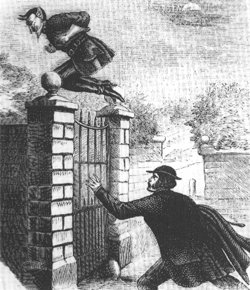
Maiores informações em http://en.wikipedia.org/wiki/Spring_Heeled_Jack.
Assinar:
Postagens (Atom)